The core components and practices of vaping
Exploring the spectrum of vaping devices
E-liquid composition
Understanding the composition of vape e-liquids
At its core, every e-liquid uses a base of propylene glycol (PG) and vegetable glycerin (VG), which creates the visible vapor. To this base, flavor concentrates are added for taste, and optional nicotine is included to satisfy cravings. The PG/VG ratio influences throat hit, vapor density, and cloud production.
Nicotine is available in two main forms: freebase nicotine, which provides a stronger « throat hit, » and nicotine salts, which offer a smoother inhale and quicker nicotine absorption.
Vaping mastery
Mastering vaping techniques
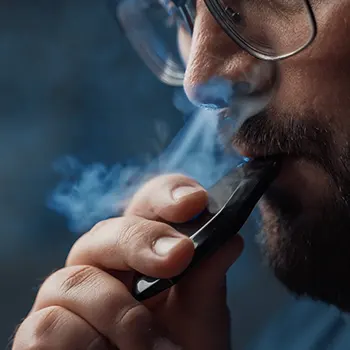
MOUTH-TO-LUNG INHALE
This mouth-to-lung vaping technique involves drawing vapor into the mouth first, then inhaling it into the lungs. It closely mimics smoking and is ideal for high-nicotine liquids and flavor-focused vaping.

DIRECT-TO-LUNG INHALE
With direct-to-lung vaping, vapor is inhaled directly into the lungs in one continuous breath. It produces large clouds and works best with low-nicotine e-liquids and high-airflow devices.
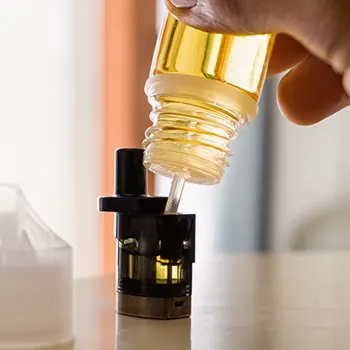
PROPER COIL PRIMING
Before first use, a new coil wick must be saturated with e-liquid. Proper coil priming prevents a burnt taste, known as a dry hit, and extends the coil’s life.
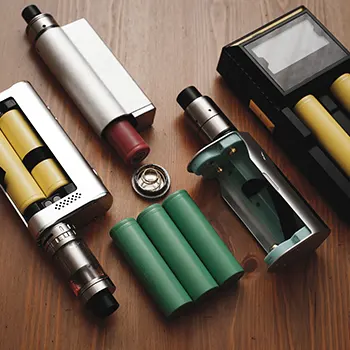
SAFE BATTERY HANDLING
Always use a protective case for spare vape batteries and inspect their wraps for tears. Avoid over-discharging and use a dedicated external charger for optimal safety and battery longevity.
ENHANCING THE EXPERIENCE
Beyond the basic vaping setup, a range of add-ons can customize device functionality, aesthetics, and everyday convenience for every user’s needs.
Vaping gear
Exploring vaping accessories

DEDICATED CHARGERS
An external battery charger provides a safer and more balanced charge than a mod’s built-in USB port, helping to preserve long-term battery health and prevent potential failures.

REPLACEMENT COMPONENTS
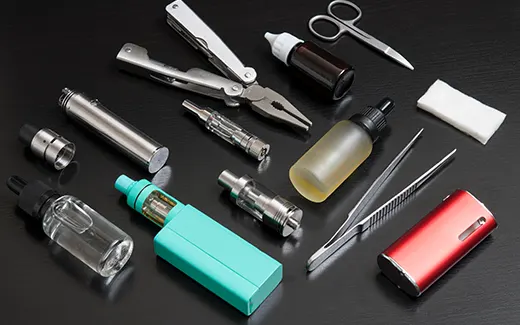
Having replacement vape parts like a replacement glass tank or different drip tips allows for quick repairs after an accident and offers an easy way to customize your device’s look.

REBUILDABLE TOOLKITS
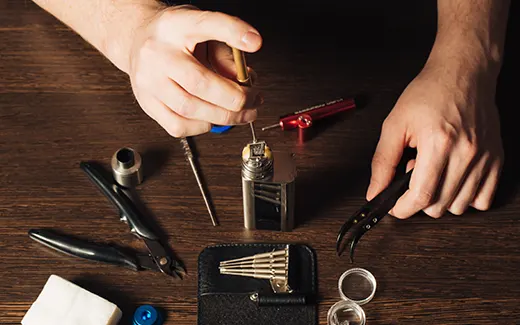
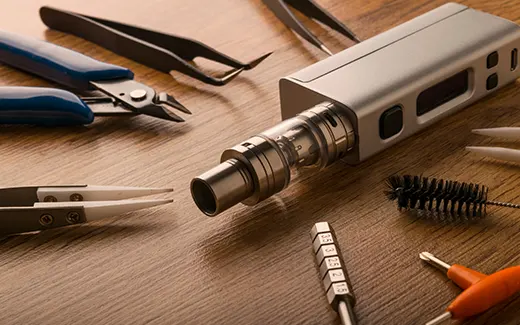
For hobbyists, rebuildable toolkits with coil jigs, ceramic tweezers, and wire clippers are essential for building and installing custom coils in RDAs or RTAs for peak performance.
Maintenance practices
Key practices
for proper device maintenance
Essential upkeep
CRUCIAL UPKEEP TASKS

Regularly disassembling and cleaning the vape tank with warm water removes residual e-liquid, preventing flavor ghosting and ensuring a pure taste with each refill of your vape device.
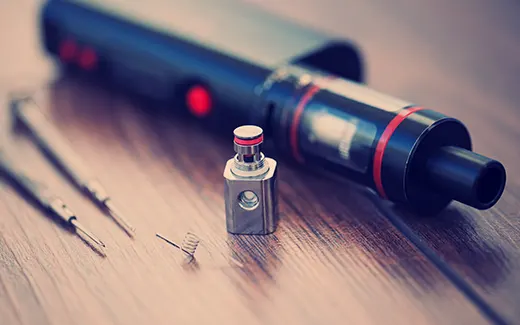
Timely vape coil replacement is essential for performance. A degraded coil produces poor flavor, reduces vapor output, and may lead to an unpleasant burnt taste, signaling it’s time to change.
Managing vape battery health through correct charging cycles and safe battery storage is vital. Avoid physical damage to the battery wrap and never let batteries come into contact with metal objects.
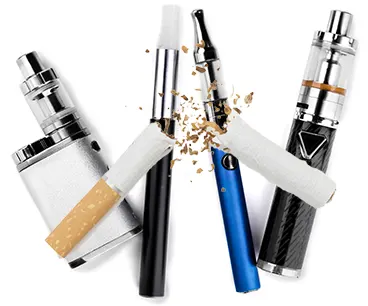
Vaping as a cessation tool
Harm reduction perspective
For adult smokers who are unable to quit nicotine, many public health organizations view vaping as a form of harm reduction. It delivers nicotine without the thousands of harmful toxicants produced by tobacco combustion, offering a significantly less harmful smoking alternative, although it is not considered risk-free.