Vaping Techniques & Tips
Vaping can feel overwhelming when you first pick up an electronic cigarette. Between device settings, e-liquid choices, and inhalation styles, there is a lot to take in. This page brings together the essential vaping techniques and tips that help both beginners and intermediate users get the most out of their device, avoid common frustrations, and vape safely. Whether you have just switched from traditional cigarettes or you are looking to refine your setup, the sections below walk you through everything step by step.
Understanding the Two Main Vaping Styles
The way you inhale shapes your entire vaping experience. There are two primary styles, and choosing the right one matters more than most beginners realize.
Mouth-to-Lung (MTL) Vaping
Mouth-to-lung vaping mimics the sensation of smoking a traditional cigarette. You first draw vapor into your mouth, hold it briefly, then inhale it into your lungs. This technique works best with high-resistance coils, higher nicotine strengths, and thinner e-liquids, typically those with a higher propylene glycol (PG) content. Think of it as sipping a hot drink rather than gulping it: slow, controlled, and satisfying.
MTL vaping suits former smokers particularly well because the throat hit and restricted airflow feel familiar. If your current setup feels too airy or the nicotine seems too weak, an MTL approach may be the missing piece.
Direct-to-Lung (DTL) Vaping
Direct-to-lung vaping involves inhaling vapor straight into the lungs, much like taking a deep breath. This style produces larger vapor clouds and works with low-resistance coils, lower nicotine strengths, and high vegetable glycerin (VG) e-liquids. Because the vapor volume is much greater, using high nicotine levels with DTL devices often causes harsh throat hits and dizziness.
- MTL: tighter draw, higher nicotine, discreet vapor, closer to a cigarette feel.
- DTL: loose draw, lower nicotine, big clouds, more intense flavor production.
- Restricted DTL: a middle ground offering moderate airflow with decent vapor.
Getting Started: First Steps for New Vapers
A smooth start prevents most beginner frustrations. Follow this simple sequence when setting up a new device.
- Prime your coil: drip a few drops of e-liquid directly onto the exposed cotton of a new coil and let the filled tank sit for five to ten minutes before firing.
- Start at a low wattage: begin at the lower end of your coil’s recommended range and increase gradually until flavor peaks.
- Choose the right nicotine strength: light smokers often do well with 3–6 mg in DTL setups, while heavier smokers may need 12–20 mg with MTL devices or nicotine salts.
- Take gentle first puffs: short draws help you gauge throat hit and flavor without overwhelming yourself.
- Stay hydrated: PG and VG can cause mild dry mouth, so keep water handy, especially during your first weeks.
Consider the case of Sarah, a fictional former pack-a-day smoker who started with a sub-ohm device and 18 mg freebase nicotine. She experienced coughing and headaches for days. Switching to a simple MTL pod system with nicotine salts resolved everything. The lesson: matching your device and nicotine strength to your inhalation style is more important than buying the most powerful hardware.
Essential Maintenance Tips for Consistent Performance
A well-maintained device delivers better flavor, longer coil life, and fewer leaks. Neglect is the most common cause of burnt hits and weak vapor.
- Clean your tank weekly: rinse it with warm water, let it dry fully, and wipe the connections with a paper towel.
- Replace coils before they fail: a muted or slightly burnt taste signals it is time. Waiting too long can leave a lingering burnt flavor even after replacement.
- Check battery contacts: dust or e-liquid residue on the 510 connection reduces power transfer and causes misfiring.
- Store e-liquids properly: keep bottles away from direct sunlight and heat to preserve flavor and nicotine quality.
- Charge safely: use the manufacturer’s recommended charger and never leave batteries charging unattended overnight.
Extending Coil Life
Coils are the consumable part vapers replace most often, so making them last saves money and hassle. Sweet and dark e-liquids caramelize on coil cotton faster than lighter blends. If you notice your coils burning out within days, try a less sweetened liquid, lower your wattage slightly, and always prime thoroughly. Chain vaping also starves the cotton of liquid; giving your device thirty seconds between puffs lets the wick re-saturate.
Choosing the Right E-Liquid for Your Technique
E-liquid composition directly affects which techniques work well. The VG/PG ratio is the key variable to understand.
- High VG (70% or more): thick, smooth, cloud-producing; ideal for sub-ohm DTL setups.
- 50/50 blends: versatile and wick-friendly; excellent for MTL pods and starter kits.
- High PG: thinner, stronger throat hit, more carrier of flavor; suited to low-power devices.
Nicotine format matters too. Freebase nicotine delivers a sharper throat hit and suits lower strengths, while nicotine salts are smoother at higher concentrations, making them the standard choice for MTL users who need stronger satisfaction in fewer puffs. As a rule of thumb, if you vape more than ten puffs to feel satisfied, your nicotine strength is probably too low for your style.
Improving Flavor: Practical Tips That Work
Flavor chasing is one of the most enjoyable aspects of vaping, and small adjustments often produce dramatic improvements.
- Lower your wattage slightly: pushing coils to their maximum often scorches sweet notes before you taste them.
- Reduce airflow a little: a tighter draw concentrates vapor and intensifies flavor, even in DTL setups.
- Rotate flavors: vaping the same liquid for weeks causes flavor fatigue, known as vaper’s tongue. Switching profiles, especially to menthol or citrus, resets your palate.
- Keep your device clean: residual old liquid in the tank muddies new flavors; rinse between changes.
- Store coils sealed: exposed cotton absorbs ambient odors that translate directly into your vapor.
Common Vaping Mistakes and How to Avoid Them
Most problems trace back to a handful of avoidable errors. Checking this list before troubleshooting hardware saves time and frustration.
- Vaping at high nicotine with sub-ohm devices: causes dizziness, nausea, and harsh hits. Drop to 3–6 mg for DTL vaping.
- Firing a dry coil: the leading cause of that unmistakable burnt taste. Always prime and wait.
- Overtightening the tank: this can crush the o-rings and cause leaking. Snug is enough.
- Ignoring battery safety: never carry loose batteries with keys or coins; use a case to prevent short circuits.
- Chain vaping on a low-power MTL device: overheats the coil and dries the wick quickly.
Safety and Responsible Vaping Practices
Vaping is widely considered less harmful than smoking combustible cigarettes, but it is not risk-free. Responsible habits protect both you and those around you.
- Keep all devices and e-liquids away from children and pets; nicotine liquid is toxic if ingested.
- Only use batteries with intact wraps and matched pairs in dual-battery devices.
- Follow the regulations in your area regarding where vaping is permitted, which often mirror indoor smoking restrictions.
- If you experience persistent coughing, chest discomfort, or dizziness, reduce your nicotine strength or consult a healthcare professional.
- Dispose of batteries and empty bottles at designated recycling points rather than household waste.
Frequently Asked Questions
Why does my vape taste burnt even with a new coil?
The most likely cause is insufficient priming. New cotton needs time to fully saturate. Add liquid directly to the coil, fill the tank, wait at least five minutes, and take a few unpowered primer puffs before firing. If the burnt taste persists, your wattage may exceed the coil’s rating or the previous burnt coil may have contaminated the tank, which a thorough cleaning will fix.
How do I know if I should switch from MTL to DTL?
If you find yourself craving bigger clouds, more flavor intensity, and lower nicotine, DTL may suit you. Conversely, if DTL vaping leaves you unsatisfied or nicotine-dependent on constant puffing, an MTL setup with stronger nicotine often restores satisfaction with less e-liquid consumption.
How often should I replace my coil?
Most coils last between one and three weeks depending on usage, wattage, and e-liquid sweetness. Heavy DTL vapers with sweet liquids may need weekly replacements, while light MTL users can stretch beyond a month. Taste and vapor quality are your best indicators, not the calendar.
Is it normal to cough when I start vaping?
Mild coughing is common at first, usually caused by too high a nicotine strength, too powerful a device, or an aggressive inhale. Lower your wattage, reduce nicotine, and practice a slower draw. If coughing continues after adjusting these factors, consider whether PG sensitivity might be the issue and try a higher VG blend.
Mastering vaping techniques is a gradual process of matching your device, e-liquid, and inhalation style to your personal preferences. Start simple, maintain your equipment regularly, and adjust one variable at a time. With these fundamentals in place, you will enjoy a smoother, more flavorful, and more satisfying experience from your very first puff onward.
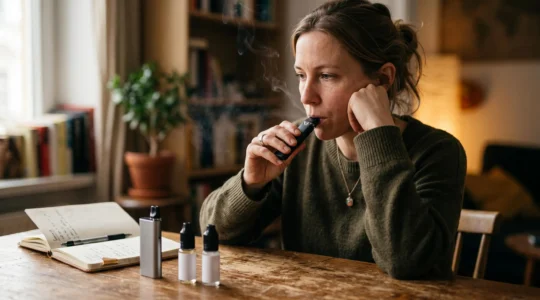
What Makes One Vape Setup Feel Smoother Than Another?
Two vape setups can display the same nicotine strength yet produce noticeably different sensations. One may feel relatively gentle, while another causes a sharp throat hit, uncomfortable heat or an unpleasant burnt taste. The difference rarely comes down to a…
Lire la suite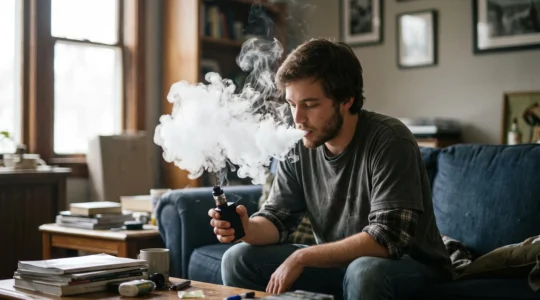
What Actually Controls Cloud Production in a Vape Setup?
Vape cloud production depends on how much e-liquid a coil can aerosolise during a puff, how effectively air carries that aerosol through the device, and whether the wick can continuously supply enough liquid. Wattage, airflow, coil construction, PG/VG ratio and…
Lire la suite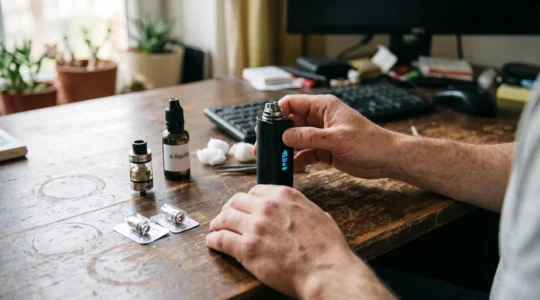
How Should Adjustable Wattage Be Set for Consistent Coil Performance?
Adjustable wattage determines how much electrical power a regulated vape device delivers to its heating coil. For consistent performance, the starting point should be the coil manufacturer’s recommended wattage range, not the device’s maximum output. Beginning near the lower end,…
Lire la suite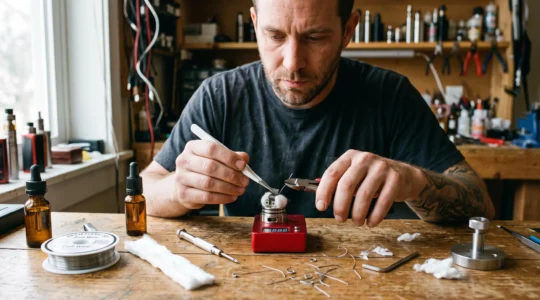
Are Custom Coils Worth the Extra Maintenance for Rebuildable Users?
Custom coils offer experienced rebuildable users control over wire configuration, heating characteristics and atomiser maintenance. That flexibility comes with responsibilities that replaceable coil heads largely remove: checking electrical resistance, inspecting connections, managing wicking and identifying deterioration before it becomes a…
Lire la suite
Is Direct-to-Lung Vaping Suitable for Your Device and Nicotine Strength?
Direct-to-lung (DTL) vaping involves inhaling aerosol directly into the lungs rather than collecting it in the mouth first. It typically uses devices with open airflow, compatible coils and higher operating power than traditional mouth-to-lung (MTL) equipment. The result is often…
Lire la suite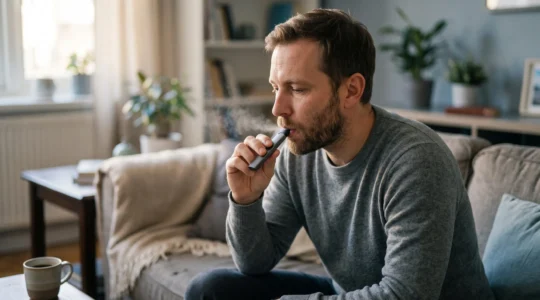
How Do You Use a Mouth-to-Lung Vaping Technique Without Drawing Too Hard?
A mouth-to-lung (MTL) vaping technique works best when the draw is slow, controlled and matched to a device designed for restricted airflow. Instead of inhaling vapour directly into the lungs, draw it gently into the mouth first, then inhale. The…
Lire la suite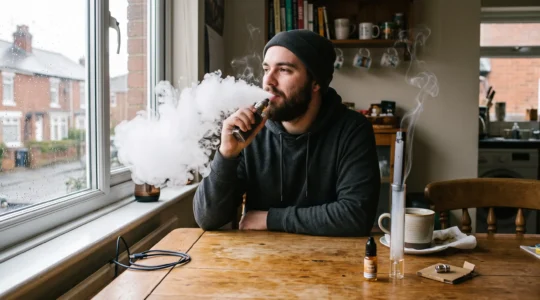
Why Does Vapour Density Change Between Different Vape Setups?
Two vape devices can use similar e-liquid yet produce noticeably different clouds. One delivers a compact, warm draw that feels concentrated, while another releases a larger, more diffuse plume. Neither observation alone tells you how much aerosol the device generates…
Lire la suite
What Factors Make a Vape Feel Stronger in the Throat?
A vape can feel surprisingly sharp in the throat even when its nicotine strength has not changed. One device may produce a distinct, brief sensation during inhalation, while another feels noticeably smoother. That difference is commonly described as throat hit,…
Lire la suite